
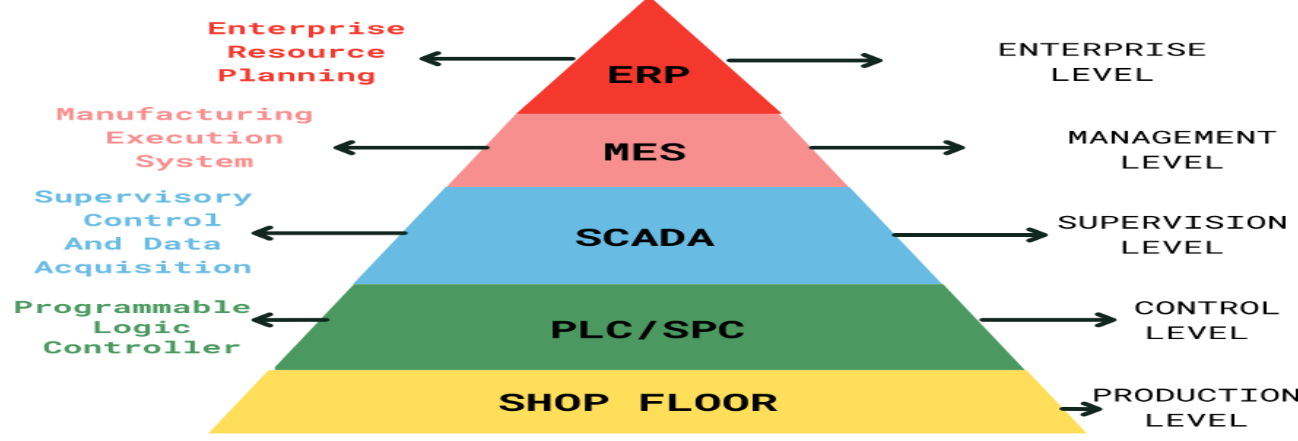
MES, or Manufacturing Execution System, is a powerful tool used in manufacturing environments to monitor, track, document, and control the production process. By providing real-time data, MES helps manufacturers improve production efficiency, reduce waste, and ensure product quality.
Key Features of MES
- Production Tracking: Track every step of production in real-time.
- Quality Management: Ensure compliance with quality standards.
- Workforce Management: Assign and monitor tasks efficiently.
- Inventory Control: Manage materials and components effectively.
Benefits of Implementing MES
Implementing MES can revolutionize your manufacturing operations by providing:
- Improved Efficiency: Reduce downtime and enhance productivity.
- Real-Time Insights: Access actionable data for better decision-making.
- Enhanced Traceability: Track every aspect of the manufacturing process.
- Cost Reduction: Minimize waste and optimize resources.
How MES Fits Into Industry 4.0
Industry 4.0 focuses on smart manufacturing, leveraging technologies like IoT, AI, and automation. MES plays a crucial role in this ecosystem by integrating these technologies to provide a seamless and data-driven production process.
Conclusion
MES is more than just a system; it’s a transformative approach to modern manufacturing. By implementing MES, manufacturers can unlock new levels of efficiency, quality, and competitiveness. It’s an essential tool for any organization looking to thrive in today’s fast-paced industrial landscape.